Shared leadership
Two people
at the top.
It works when the architecture is right.
Shared leadership combines different perspectives, distributes responsibility and makes organisations fit for the future.
I support organisations and leaders from the first idea through to a functioning partnership. Having experienced shared leadership myself, I know what it takes to make it work.
DECISIONS
ACCOUNTABILITY
Free initial assessment
Is shared leadership right for you? Clarity instead of guesswork.
Shared leadership
Readiness Check
Two people at the top: does it work in practice? The self-assessment shows whether the foundations are strong, from trust and conflict skills to organisational support and personal fit, and where to begin improving.
- 15 questions
- Results profile
- Next steps
Organisational
Readiness Scan
Ready for co-leadership? The assessment shows where your organisation stands and which areas need attention.
- 15 questions
- Structural assessment
- Recommendations
What shared leadership makes possible
Three structural advantages.
How I can help
Support that starts with what you actually need.
Architecture &
Governance Programme
Introduce shared leadership in your organisation.
Assess dual leadership, establish it professionally and embed it effectively, from checking suitability to a complete leadership architecture.
- Readiness & business case
- Role and decision architecture
- Governance & launch plan
- Pilot & embedding
90-Day Co-Leadership Programme
Turn two leaders into a strong leadership team.
Design roles, decisions and trust so your leadership partnership holds up under pressure.
Outcome: a clear leadership mandate, role map, decision rules and a 90-day review.
Co-Founder Programme
A strong leadership partnership that can withstand growth.
Clarify responsibility, power and the future before serious conflicts develop.
Outcome: your Founder Charter, a testable operating model for leadership and collaboration.
About me
From experience to a practical approach.
Fifteen years in the financial sector taught me that leadership is tested in the moments that really matter, under pressure and with high stakes. And it never happens by itself.
In my own time as a shared leader, I experienced what holds a partnership together and what causes it to break down, and developed a system from those lessons.
My mission is to meet people where I once stood and help shared leadership become what it can be: a sustainable model for tomorrow’s leadership.
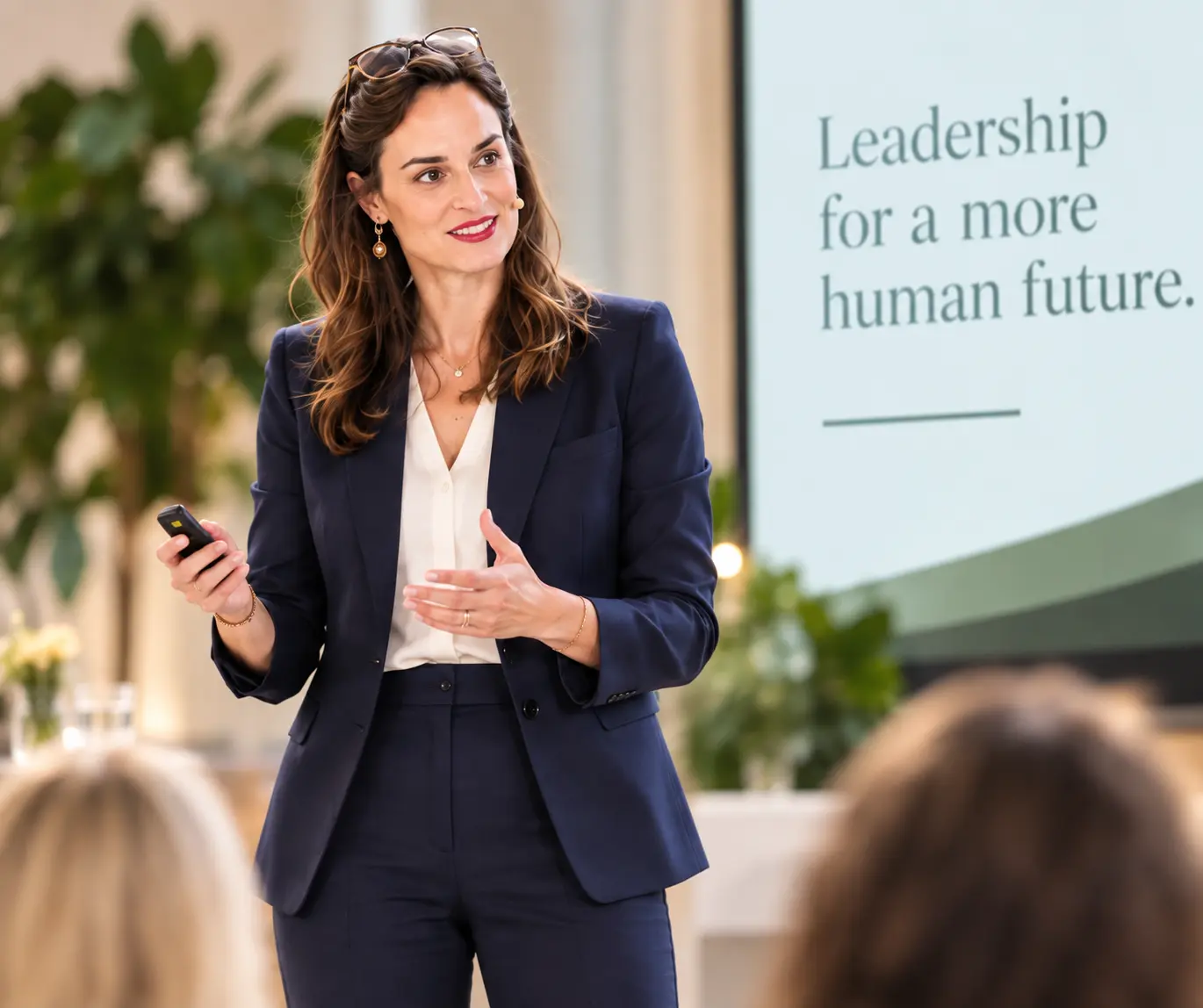
Knowledge & Tools
From the guides
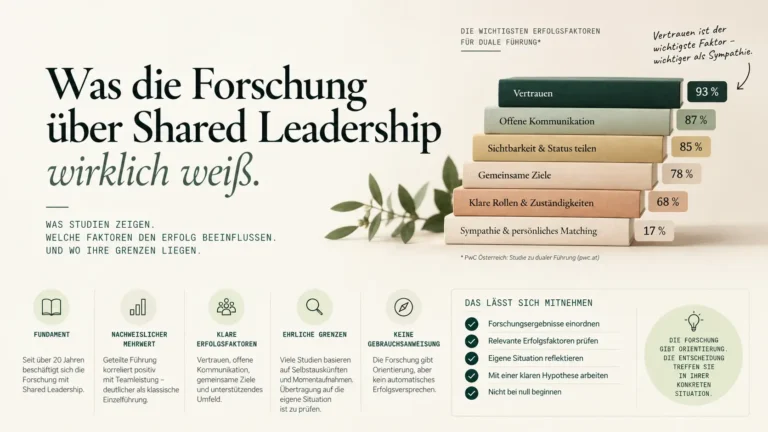
What Research Really Tells Us About Shared Leadership
Shared leadership is often presented as a new response to the modern world of work. In reality, researchers have been […]
Zum Artikel →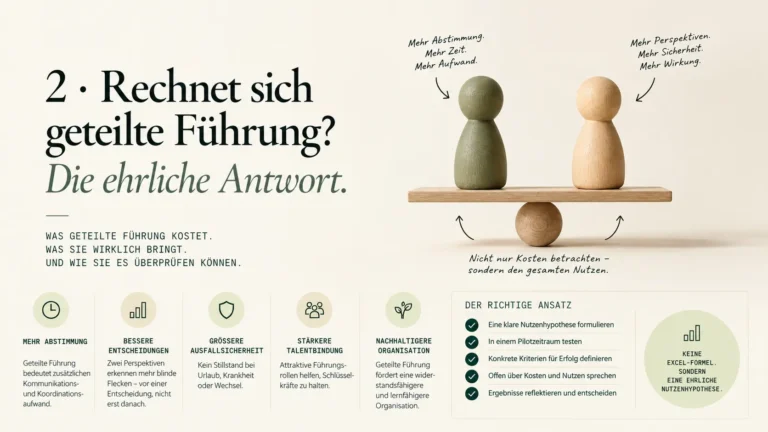
Is Shared Leadership Worth It? The Honest Answer
As soon as shared leadership becomes a serious topic of discussion, almost the same question always comes up: Does it […]
Zum Artikel →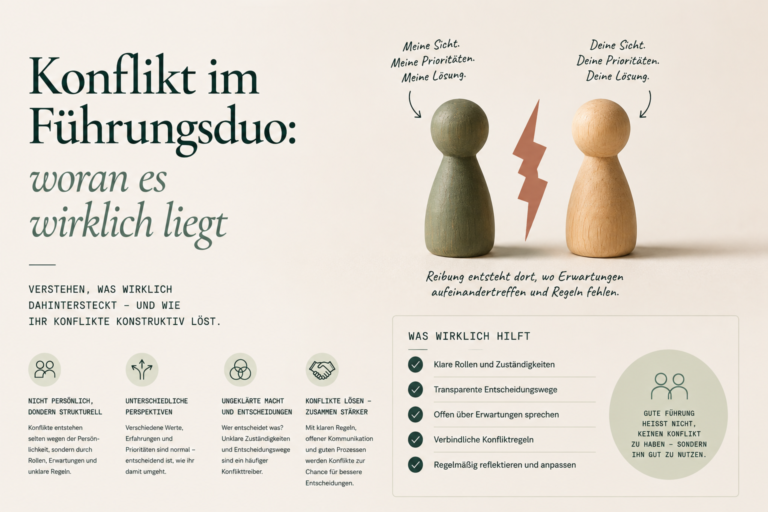
Conflict in a Leadership Duo: What Really Causes It
1 · The moment two leaders become two camps It rarely starts with a major argument. More often it is […]
Zum Artikel →Contact
Let’s talk.
Where does your shared leadership stand, and what is the next sensible step? Together we can work out what your situation needs now.
FAQ
Frequently asked questions about shared leadership
What does shared leadership mean?
Shared leadership means consciously distributing leadership across several people. Individuals bring different strengths, experiences and perspectives and take joint responsibility for decisions and results.
What is the difference between shared leadership and co-leadership?
Shared leadership is the umbrella term for different forms of distributed leadership. Responsibility and influence can be shared among several people within a team. In co-leadership, two people jointly take on one clearly defined leadership position. They are often called a leadership tandem or dual leadership team.
What benefits does shared leadership offer organisations?
Shared leadership combines different skills, broadens perspectives on complex decisions and distributes responsibility more sustainably.
At the same time, it reduces dependence on a single leader, improves mutual cover and creates new ways of organising demanding leadership roles more flexibly. Shared leadership can make organisations more effective, attractive and future-ready.
Which organisations is shared leadership suited to?
Shared leadership is particularly suited to organisations handling complex leadership challenges and seeking modern working models. It combines different skills and makes leadership positions more attractive to qualified talent.
How does shared leadership work day to day?
Effective shared leadership combines joint accountability with clear responsibilities. The leaders decide which decisions they will make together, where one person may act independently and when consultation or information-sharing is required. A clear working rhythm keeps both aligned without having to do everything together.
What makes shared leadership successful?
A strong tandem shares responsibility and influence, uses differences productively and stands behind decisions together. It needs a shared leadership mandate, clear roles, reliable communication, mutual trust and a professional approach to conflict. The key is not always agreeing, but remaining able to act together despite different positions.
How can organisations successfully introduce shared leadership?
A successful introduction begins by identifying the specific leadership challenge to solve. The next steps are to clarify suitability, the business case, mandate, roles, decision rights and communication. A structured start, with reviews after 30, 60 and 90 days, helps the tandem and organisation test and improve collaboration in practice.
When does a shared leadership programme make sense?
A structured programme with consulting and coaching is especially useful when:
- shared leadership is just getting started,
- an existing partnership needs a more professional structure, or
- uncertainties or conflicts have arisen.
How do I support organisations, leaders and founders?
I help organisations assess shared leadership, introduce it professionally and embed it in their structures.
In my 90-day programme, leaders develop a reliable shared leadership system.
Founders clarify roles, decisions, ownership interests and their company’s shared future in the Co-Founder Programme.
We’re not sure whether this model is right for us. What now?
We start with an informal introductory call. We discuss your starting situation, main challenges and desired outcome. I then give you an honest assessment of whether, and which, offer fits your circumstances.
We’re already using shared leadership. Is further support still worthwhile?
Yes. Day-to-day work reveals what already works well and where roles, decisions or coordination could become clearer. Support helps you strengthen what works, reduce friction and deliberately develop your joint leadership further.
Not yet sure where you stand?
In a no-obligation introductory call, we’ll look together at your starting position and the most sensible next step.